Quick Facts
Basic Information
- Scientific Name: Agapornis spp. (e.g., A. roseicollis, A. fischeri)
- Average Lifespan: 10-15+ years
- Size: 13-17 cm (5-6.7 inches)
- Weight: 40-60 grams
- Colors: Highly variable; common Peach-faced are green with pink/peach face. Fischer's & Masked have eye rings, various body colors.
Care Requirements
- Cage Size: Min. 80cm L x 50cm W x 50cm H for a pair. Larger is crucial. Bar spacing 1/2 inch or less.
- Temperature Range: Room temperature (18-25°C).
- Diet: Pellets (60-70%), fresh vegetables & fruit, limited seeds.
- Social Needs: Highly social; best in pairs or with significant human interaction.
Costs (NZ$)
- Purchase Price: $50 - $150 (estimate)
- Monthly Care: $15 - $30 per pair (estimate)
- Initial Setup: $100 - $250 (estimate)
Image Gallery
Detailed Information
Characteristics & Personality
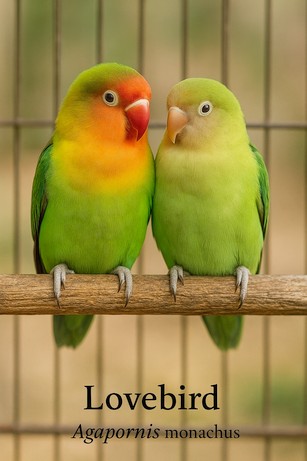
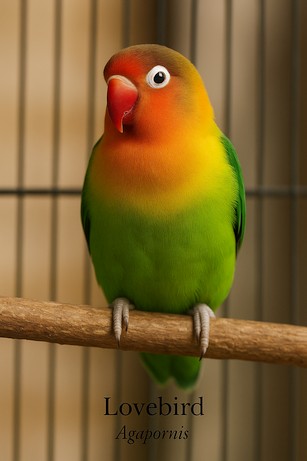
Lovebirds are small, stocky parrots renowned for their affectionate nature and the strong, often lifelong, bonds they form with their mates (or human companions if kept singly and well-socialized). They are incredibly active, curious, and playful, packing a lot of personality into their small frames. Lovebirds can be quite feisty and territorial, especially females or during breeding season. They are known for their constant chattering and can be quite vocal with a range of chirps, squawks, and high-pitched screeches. While not typically known for talking, their engaging antics and social interactions make them popular pets.
Positive Traits
- Highly social and form strong bonds
- Very playful, active, and entertaining
- Relatively small size compared to other parrots
- Can be very affectionate with their chosen mate or human
- Come in a wide variety of beautiful colors and species
Challenges
- Require significant social interaction; can become stressed or depressed if lonely
- Can be quite noisy with frequent chattering and occasional loud screeches
- May become territorial or nippy, especially if not handled regularly or if they feel threatened
- Strong chewers that need a constant supply of appropriate toys
- Best kept in pairs, which may mean they bond more closely with each other than with the owner
Care Guide
Housing Requirements
A spacious cage is essential for these active birds. For a pair, a cage of at least 80cm Long x 50cm Wide x 50cm High is recommended, but the bigger, the better to allow for flight and play. Bar spacing should be no more than 1/2 inch (1.25cm) to prevent escape or injury. The cage should be equipped with multiple perches of varying sizes and materials (natural wood is excellent), swings, ladders, and plenty of durable, bird-safe toys for chewing and shredding. Lovebirds also enjoy bathing, so provide a shallow dish for this purpose.
Diet & Nutrition
A good quality pelleted diet formulated for small parrots should make up the majority (60-70%) of their food. Supplement this with a daily offering of fresh vegetables (e.g., spinach, carrots, peas, broccoli) and some fruits (e.g., apple, berries, melon) in moderation. A small amount of a good seed mix can be given as a treat, but avoid a primarily seed-based diet as it can lead to nutritional deficiencies and obesity. Fresh, clean water must always be available.
Health & Wellness
Lovebirds are generally hardy, but like all birds, they require a clean environment, a balanced diet, and regular mental and physical stimulation to stay healthy. They can be prone to obesity if their diet is too high in fat (e.g., too many seeds) and they don't get enough exercise. Watch for signs of common avian illnesses and consult an avian veterinarian for regular check-ups or if you notice any changes in behavior or appearance.
Training & Intelligence
Lovebirds are intelligent and can be trained with patience and positive reinforcement. Hand-raised birds are typically easier to tame and train. They can learn simple tricks and to step up onto a finger.
Training Difficulty
Moderate. Their intelligence helps, but their feisty nature can sometimes make them a bit stubborn. Short, consistent, and rewarding training sessions work best.
Speech & Vocalizations
Lovebirds are not known for their talking ability, although a few individuals might pick up a word or two or mimic sounds. They are, however, very vocal birds, frequently chattering, chirping, and emitting high-pitched screeches, especially when excited or communicating with each other.
Buying Guide
Best Time to Buy
Young, hand-raised lovebirds are often the best choice for pets as they are more likely to be tame and socialized. Look for birds that have recently weaned and are eating independently.
Where to Buy in Christchurch
- Reputable bird breeders who specialize in lovebirds.
- Members of the Christchurch Bird Club may have birds available or can provide breeder recommendations.
- Avoid pet stores where birds seem unhealthy, overcrowded, or are not well-socialized.
What to Look For
- An active, alert bird with bright, clear eyes.
- Clean nostrils and vent area.
- Smooth, well-kept feathers (no signs of plucking or excessive soiling).
- The bird should appear curious and engage with its surroundings.
- If buying a pair, ensure they are truly bonded and not just housed together; observe them preening each other or sitting closely.
Is This Bird Right For You?
Ideal Owner Profile
Lovebirds are suited for owners who can provide significant social interaction, either by keeping a pair or by dedicating ample time to a single bird. They are a good match for those who enjoy the lively chatter and playful antics of a small parrot and are prepared for their sometimes feisty and territorial nature. They can be good family pets if children are taught to interact gently and respectfully.
Lifestyle Considerations
- Can provide a large and stimulating cage environment.
- Willingness to spend daily quality time interacting with the bird(s).
- Tolerance for noise (chattering, screeching).
- Understanding of their need for companionship (pair or human).
- Prepared to manage potential nipping or territorial behavior with patience and training.
- Commitment for a lifespan of 10-15+ years.